

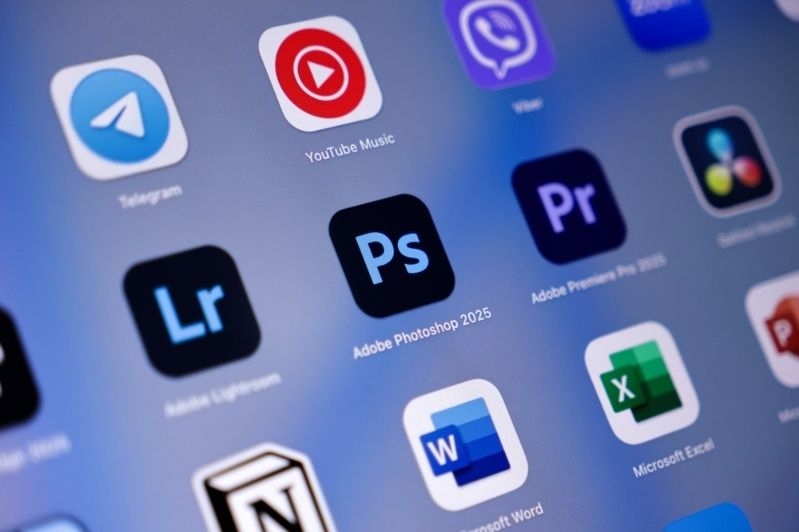
Every second, screens flash new images. Whether it’s a post, page, or promotion, eyes catch countless graphics daily. Behind most of these lies smart software doing quiet work. Instead of just shapes and colors, thoughts take form through careful layout and choice. Tools shape how messages land, often without notice.
With these programs, visuals get stronger without extra hours spent. Instead of struggling alone, people move faster toward better results. This piece looks into ways such software lifts online material higher. Their role now feels less optional, more like basic gear for anyone making things today.
Pictures take shape through software made for building, adjusting, or refining visuals. Working with words, hues, forms, or photographs becomes possible using these programs instead of pen and paper. From screen to idea, layout to finish—digital space turns choices into clear imagery.
Beginner tools often feel straightforward, yet pros might find them too basic. Still, plenty of options exist—whatever your experience happens to be.
These days, digital stuff isn’t only made of sentences on a screen. Eyes tend to stick to pictures first. When colors, shapes, and space work together right, they speak before any word shows up. Here’s how graphic design helps make better content:
Looks influence what we guess about people at first sight. When the first view is nice, eyes may stay longer. Modern software gives you a hand to fully express yourself—you can select the colors that best express you, the fonts that fit the texts perfectly, and compose the eyes through the frames. Getting a better visualization means a longer attention span and a stronger desire to see what follows.
Starting from nothing might eat up your whole afternoon. Some tools hand you finished layouts, tweakable in minutes. Speed spikes when you skip building every piece by hand.
Suddenly, a new tool cuts the time it takes to make online content. Posts for platforms appear fast; no more waiting days. Ads show up quicker than before, skipping slow steps. Banners form in moments, not after endless tweaks. Minutes replace hours every single time.
Good-looking stuff grabs eyes first. With graphic tools, people drop in icons or toss sketches around—sometimes even small moving bits.
Picture this turning sharper when tools shape it smarter. Engagement grows because people stick around longer, drawn in by clarity. A link forms—effortless visuals meet focused attention.
Starting every piece the same way builds trust over time. When visuals stay familiar, people recognize them without thinking. One tool can spread that looks everywhere you show up.
Repetition of color, typeface, and layout used in creative tools will eventually create visual coherence in the design. Once established, the cumulative effect of these small details will collectively create an identifiable style. Through time and consistency, those small details become a defined style that is familiar, dependable, and trusted.
Words alone might miss the mark now and then. Pictures? They clear things up. Tools built for shaping visuals let folks build charts, infographics, and diagrams—without hassle.
When visuals are used, complex ideas become easier to grasp. A person can take in details faster than reading paragraphs.
With less mental effort needed, confusion fades away. Seeing data in pictures often feels lighter on the mind. Information stands clear when shown this way.
A fresh look online usually means changes over time. What makes graphic design software stand out isn’t just power—it's adaptability. Change comes easily when you’re able to tweak visuals whenever needed.
Out here, tweaking fonts or swapping color schemes happens in seconds. Fresh looks stick around because updates move fast. Layouts shift without hassle when you need them to.
Freedom to explore sparks creativity. When options open up, playing with styles, hues, or layouts becomes natural—tools make that possible by removing limits.
Using modern tools, creativity finds fresh paths through digital sketches. A single idea might twist into bold images when shaped by smart programs. These designs often break away from what everyone else shows. Unusual forms appear where lines meet color in surprising ways.
Working together feels smoother using today’s design software. Some of these let several people edit one project at once.
Faster changes happen when groups work together on designs, sharing thoughts while adjusting visuals in real time. Because everyone sees updates instantly, decisions come more easily, and approval takes less time.
One size does not fit every platform. While visuals built for Instagram might pop, they can fall flat on a homepage.
Scaling things right happens fast when the tools behave. When layout changes come up, smooth shifts keep visuals sharp across devices because the system adapts without losing detail.
Last time around, crafting a design meant mastering complex tools. Now, anyone can make solid work thanks to user-friendly apps.
Folks just starting out find ways to make sharp visuals without years of training. Because of that, design apps now pop up everywhere, helping workers across jobs get things done.
Few kinds of visual creation software exist—each built for its own job. Photos get better with image editing software, since it polishes up details. Logos often start in vector programs, which shape clean artwork.
Beginners find online platforms friendly because they guide each step gently. Motion wakes up visuals—animation apps add that through timed changes.
Start clean when picking software for visuals. Time and time again, a simple design always wins over a complicated design. Meaning is more important than being flashy. A single color is often sufficient. A single, legible font will often be better than using multiple, different fonts. Always prioritize readability—even if you feel it is too simple.
When the tools match the vision, a single click may lead to progress. However, it is the use of rhythm that influences the result more than speed can. Good design will develop gradually through repeated use rather than rapid change. Mistakes will disappear through habit as long as the same focus is kept on the original intent. Clarity arrives slowly, shaped by doing, not planning.
Out of nowhere, graphic design tools shifted how people build digital stuff. Because of them, crafting eye-catching images feels less like work. Time slips more slowly when you are stuck on tasks that you now handle fast. Clearer thoughts move across screens thanks to smarter layouts. Not every tool works the same, but most help ideas land better.
Sharp looks are built, not found. Tomorrow’s scroll depends on how bold you go now.
Most graphic design tools are very intuitive and user-friendly, so they basically don't require any skills. It's the same as if somebody gave you a blank sheet and a bunch of safety scissors; you can easily make a design without technical knowledge or experience.
Absolutely, they are great for social networks. Graphic design tools provide a very creative way of making posts, videos, and ads that will engage your audience and beautifully present your brand.
It is best to change your images from time to time so that they do not look stale and boring. Frequent updates will help to keep your audience interested, and also your content will be in line with the latest trends.
Each of them comes with pros and cons. Design platforms are very convenient, and you can use them from any device, but offline software sometimes comes with more advanced features that allow for more detailed and professional design work.
This content was created by AI